Stop Saving Blindly: How a Goal-Based Calculator Changed My Math
Most of us just "save money." We see some extra cash at the end of the month, move it to a different account, and feel like we’ve conquered adulthood. But here is the problem: saving without a specific target is like running on a treadmill. You’re moving, but you don't actually know if you’ll ever reach the finish line in time for that 2028 Europe trip or your kid's college admission.
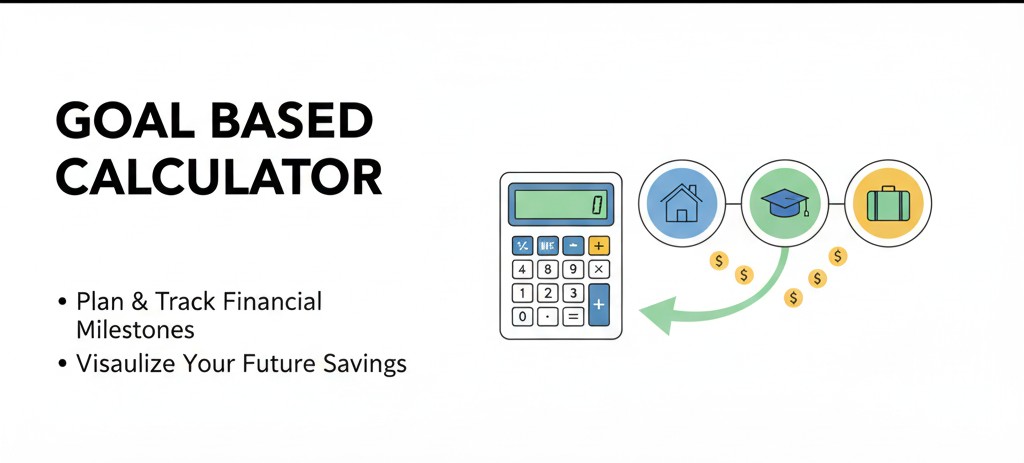
The Reality Check You Didn't Ask For
I remember when I wanted to buy my first home. I was putting away ₹20,000 a month, thinking I was doing great. Then I used a goal-based investment calculator. I realized that with 6% inflation and rising property rates, my "great" savings plan was actually leaving me short by about 15 lakhs. It was a gut punch, but a necessary one.
What this tool actually does (and what it doesn't)
- Reverse Engineering: Instead of telling you how much you will have, it tells you how much you need to start with today.
- Inflation Adjustment: This is the big one. If your calculator doesn't have an inflation toggle, throw it away. ₹50 lakhs today isn't the same as ₹50 lakhs in 2035.
- Reality Check on Returns: It helps you see that you can't reach a massive goal in 5 years by sticking to 4% interest savings accounts. You'll see the need for equity or other aggressive assets.
Don't Ignore the "Bridge"
People often get overwhelmed by the final number. If the calculator says you need to invest ₹50k a month and you only have ₹30k, don't quit. Start with ₹30k and use the "step-up" feature. Increasing your investment by just 5-10% every year as your salary grows makes a massive difference due to compounding.
Provided info can be incorrect and change over a time! Please consult your financial advisor before taking any financial decision.
Ultimately, these calculators aren't crystal balls. They are just maps. They won't drive the car for you, but they’ll definitely stop you from driving in the wrong direction for ten years.